 Traveling the world offers endless surprises, and for many travelers, one of the most unexpected cultural experiences can be found in the bathroom. Toilets vary dramatically from country to country, shaped by history, infrastructure, water availability, and local customs. For readers of Wander Travel Live, understanding these differences can make travel smoother, less stressful, and even more fascinating. From high-tech marvels to centuries-old systems, toilets around the world tell a unique story about how societies adapt everyday necessities to their environment.
Western World Comforts
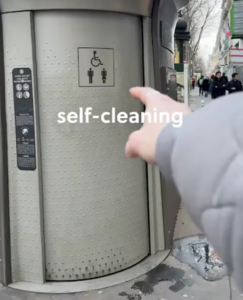 In many Western countries such as the United States, Canada, and much of Europe, travelers are accustomed to sit-down flush toilets connected to extensive plumbing systems. These toilets emphasize comfort and convenience, often featuring large bowls, powerful flush mechanisms, and standardized paper products. In contrast, Japan has elevated the toilet into a form of modern art. Japanese toilets are famous for heated seats, bidet functions, air dryers, sound-masking features, and automated lids. For first-time visitors, these futuristic fixtures can be both intimidating and impressive, showcasing how technology can enhance even the most basic daily routines.
Africa & Far East Toilets
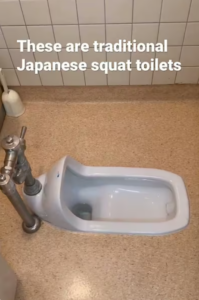 Elsewhere in the world, squat toilets are far more common. Found throughout Asia, parts of the Middle East, Africa, and Eastern Europe, squat toilets consist of a ceramic basin set into the floor. While unfamiliar to many travelers, they are valued for their simplicity, durability, and low water usage. Some cultures also believe squatting is more hygienic and better for digestion. Travelers encountering squat toilets for the first time often need a brief adjustment period, but they quickly learn that these designs are practical, especially in high-traffic or rural areas where plumbing systems may be less robust.
In regions with limited water access, toilets take on even more innovative forms. Composting toilets, pit latrines, and dry toilets are common in remote villages, eco-lodges, and off-grid accommodations. These systems prioritize sustainability by minimizing water use and safely managing waste through natural decomposition. While they may lack the polish of modern bathrooms, they reflect a growing global emphasis on environmental responsibility and resource conservation—an important consideration for conscious travelers.
Behind The Plumbing Scene
Behind the scenes, proper toilet installation and maintenance are essential no matter where you are in the world. Plumbing issues are universal, and travelers staying long-term or owning property abroad may encounter challenges with aging systems. Tools like the Hydroseat flange fixer play an important role in maintaining toilets by stabilizing loose toilet bases without requiring extensive floor removal. This type of repair solution highlights how modern innovations can improve toilet reliability across different settings, from older European apartments to vacation rentals in historic buildings.
Toilets around the world are a reminder that travel is about embracing differences—even in the most ordinary places. Whether navigating a high-tech restroom in Tokyo, a squat toilet in rural Thailand, or an eco-friendly composting system in South America, each experience adds to the story of the journey. For travelers following Wander Travel Live, understanding these variations not only reduces surprises but deepens appreciation for how cultures solve everyday challenges in unique and meaningful ways.