 Traveling the world offers endless surprises, and for many travelers, one of the most unexpected cultural experiences can be found in the bathroom. Toilets vary dramatically from country to country, shaped by history, infrastructure, water availability, and local customs. For readers of Wander Travel Live, understanding these differences can make travel smoother, less stressful, and even more fascinating. From high-tech marvels to centuries-old systems, toilets around the world tell a unique story about how societies adapt everyday necessities to their environment.
Western World Comforts
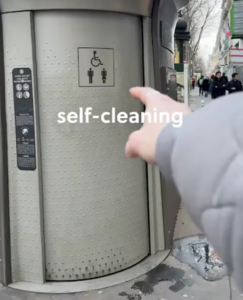 In many Western countries such as the United States, Canada, and much of Europe, travelers are accustomed to sit-down flush toilets connected to extensive plumbing systems. These toilets emphasize comfort and convenience, often featuring large bowls, powerful flush mechanisms, and standardized paper products. In contrast, Japan has elevated the toilet into a form of modern art. Japanese toilets are famous for heated seats, bidet functions, air dryers, sound-masking features, and automated lids. For first-time visitors, these futuristic fixtures can be both intimidating and impressive, showcasing how technology can enhance even the most basic daily routines.
Africa & Far East Toilets
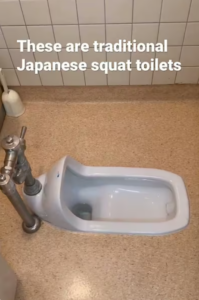 Elsewhere in the world, squat toilets are far more common. Found throughout Asia, parts of the Middle East, Africa, and Eastern Europe, squat toilets consist of a ceramic basin set into the floor. While unfamiliar to many travelers, they are valued for their simplicity, durability, and low water usage. Some cultures also believe squatting is more hygienic and better for digestion. Travelers encountering squat toilets for the first time often need a brief adjustment period, but they quickly learn that these designs are practical, especially in high-traffic or rural areas where plumbing systems may be less robust.
In regions with limited water access, toilets take on even more innovative forms. Composting toilets, pit latrines, and dry toilets are common in remote villages, eco-lodges, and off-grid accommodations. These systems prioritize sustainability by minimizing water use and safely managing waste through natural decomposition. While they may lack the polish of modern bathrooms, they reflect a growing global emphasis on environmental responsibility and resource conservation—an important consideration for conscious travelers.
Behind The Plumbing Scene
Behind the scenes, proper toilet installation and maintenance are essential no matter where you are in the world. Plumbing issues are universal, and travelers staying long-term or owning property abroad may encounter challenges with aging systems. Tools like the Hydroseat flange fixer play an important role in maintaining toilets by stabilizing loose toilet bases without requiring extensive floor removal. This type of repair solution highlights how modern innovations can improve toilet reliability across different settings, from older European apartments to vacation rentals in historic buildings.
Toilets around the world are a reminder that travel is about embracing differences—even in the most ordinary places. Whether navigating a high-tech restroom in Tokyo, a squat toilet in rural Thailand, or an eco-friendly composting system in South America, each experience adds to the story of the journey. For travelers following Wander Travel Live, understanding these variations not only reduces surprises but deepens appreciation for how cultures solve everyday challenges in unique and meaningful ways.
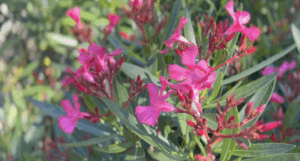 The
The 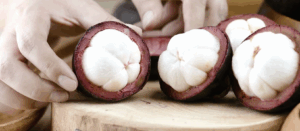 Beyond the calypso oleander, my travels introduced me to an astonishing variety of fruits that each told their own story. In Thailand, I fell in love with mangosteen, known as the “queen of fruits,” with its thick purple rind and sweet, milky-white segments inside. Each bite was like a burst of tropical sunshine, perfectly balancing tartness and sweetness. In South America, I discovered cherimoya, often called the custard apple, which Mark Twain once described as “the most delicious fruit known to men.” Its velvety texture and flavor—a mix of banana, pineapple, and vanilla—made it feel like nature’s own dessert. And in the Caribbean, I was delighted by soursop, with its spiny green skin and creamy flesh that locals use to make juices, ice cream, and medicinal teas.
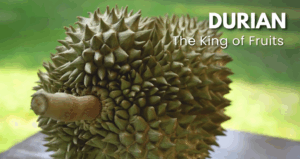 Traveling through fruit-growing regions is like embarking on a sensory treasure hunt. The vibrant colors and intoxicating aromas of local markets invite endless curiosity. Sometimes you find fruits that are pure joy to eat, like ripe papayas or guavas bursting with sweetness, and sometimes you find fruits like those of the calypso oleander tree—beautiful, symbolic, and better admired than tasted. What I’ve learned is that the beauty of exploring new fruits lies not just in eating them, but in understanding their place in local culture, history, and ecology.
 Most all of us are rooted to a spot that we call home. We may explore the area, but often we sit at home because we do not see the wonderful things we could be doing. Often, the place we call home is a place that we already know about. It may be a place where we grew up or a place that we had to go to because of work, or any other reason except exploration. That makes life boring. We feel that you should take a break from routines so that you can wander, travel, and live life to the fullest.
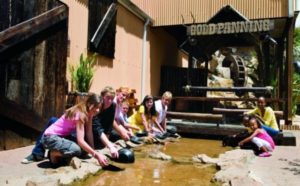
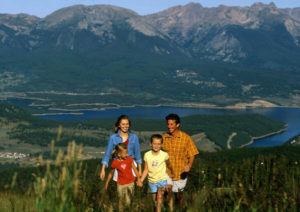 If you just need a break from reality, you do not have to travel far away. Find your town and drive an hour or two away from it in any direction. In this area, you may find something that you never imagined would be just down the road from you. If you have a weekend off from work and want to explore, take a trip to a large city that is nearby. Chances are good, there are a few hidden gems for you to discover. You may find a unique aviation museum, guided tours through mining camps, or a mountain that you can climb. It doesn’t have to be something extreme or expensive. You don’t have to visit amusement parks and zoos. There are fun things to do everywhere if you just wander around to look for them.
 If you have been saving for a vacation for a while, you can travel the world. Take a trip to Paris, London, Germany, or Tokyo. You can go places. There is no reason for you to miss out on the things that you can see. When you are traveling on a larger scale, it may still surprise you to know that are hidden things for you to enjoy that you may not hear about by visiting travel sites and watching live webcams. Again, you do not have to spend a small fortune for enjoyment when you are traveling to other areas of the world. You just have to open your mind to the possibilities of discovering something exciting to see and enjoy.