One of the greatest joys of traveling is tasting the unfamiliar—those vibrant, fragrant, and sometimes puzzling fruits that seem to capture the essence of a place better than any souvenir could. Every destination has its own botanical treasures, and for a curious traveler like me, wandering through a local market or spotting fruit trees along a dusty trail is an adventure in itself. From the spiky durians of Southeast Asia to the jewel-like pomegranates of the Mediterranean, the world of fruit tells stories about climate, culture, and creativity. On my recent travels through tropical regions, I found myself constantly surprised by the diversity of fruits I encountered—and one of the most intriguing discoveries was the calypso oleander tree, a species both beautiful and mysterious.
Intriguing Calypso Oleander Tree
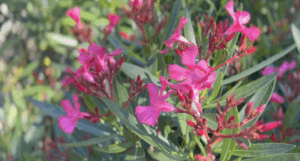 The calypso oleander tree caught my attention on a warm afternoon in a coastal village where the air shimmered with salt and sunlight. Its glossy green leaves framed clusters of bright, exotic-looking fruit that seemed to glow in the light. Locals told me the tree was known for its ornamental beauty and fragrant blossoms, but its fruit—though eye-catching—was not one to eat casually. The calypso oleander’s colorful pods are known more for their striking appearance than their flavor, often symbolizing tropical abundance and resilience. While not a staple in local cuisine, the tree itself plays a unique role in the cultural landscape, providing shade, decoration, and a reminder of how nature’s beauty can sometimes be deceptive. It’s a fascinating example of how even in the world of fruit, not everything that looks delicious is meant to be tasted.
Each Country Has Something Unique
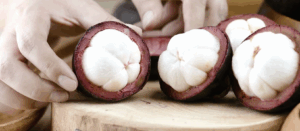 Beyond the calypso oleander, my travels introduced me to an astonishing variety of fruits that each told their own story. In Thailand, I fell in love with mangosteen, known as the “queen of fruits,” with its thick purple rind and sweet, milky-white segments inside. Each bite was like a burst of tropical sunshine, perfectly balancing tartness and sweetness. In South America, I discovered cherimoya, often called the custard apple, which Mark Twain once described as “the most delicious fruit known to men.” Its velvety texture and flavor—a mix of banana, pineapple, and vanilla—made it feel like nature’s own dessert. And in the Caribbean, I was delighted by soursop, with its spiny green skin and creamy flesh that locals use to make juices, ice cream, and medicinal teas.
Every Piece Tells A Story
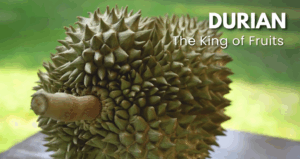 Traveling through fruit-growing regions is like embarking on a sensory treasure hunt. The vibrant colors and intoxicating aromas of local markets invite endless curiosity. Sometimes you find fruits that are pure joy to eat, like ripe papayas or guavas bursting with sweetness, and sometimes you find fruits like those of the calypso oleander tree—beautiful, symbolic, and better admired than tasted. What I’ve learned is that the beauty of exploring new fruits lies not just in eating them, but in understanding their place in local culture, history, and ecology.
Every piece of fruit tells a story about the land it grows from and the people who tend it. Whether it’s savoring a new flavor or simply marveling at a tree like the calypso oleander, traveling through the world’s orchards and gardens reminds me that discovery is often sweetest when it surprises you.